 Armhanq.com ՀԱՅԱՍՏԱՆԻ ՀԱՆՔԱՐԴՅՈՒՆԱԲԵՐՈՒԹՅԱՆ ԵՎ ՄԵՏԱԼՈՒՐԳԻԱՅԻ ԱՍՈՑԻԱՑԻԱ
Metallurgy—particularly copper production—has a history in Armenia spanning thousands of years. Evidence of this tradition can be found in ancient Greek, Roman, Arab, and Armenian historical sources, as well as in the Bible.
In the 13th century, the Armenian historian Kirakos Gandzaketsi provided one of the earliest written references to the copper mines of Akhtala.
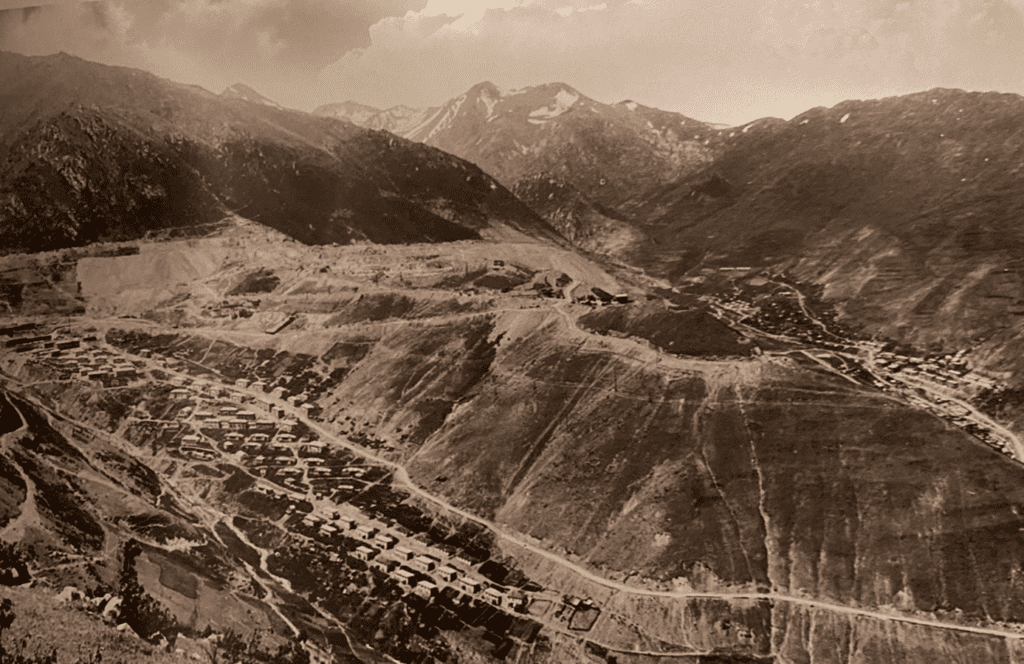
Copper mining continued, with interruptions, until the 16th century. It later resumed during the 18th–19th centuries in northern Armenia—especially in Alaverdi and Akhtala—and in the southern region of Zangezur.
The beginning of industrial mining in Zangezur is generally dated to 1845, when the Agarak copper-molybdenum plant was put into operation.
Between 1845 and 1917, over a period of approximately seven decades, 12 copper smelting enterprises operated in the region, with an annual production capacity of 6–10 tons. The extracted raw materials and finished products were mainly sold in Tiflis and partly in Persia.
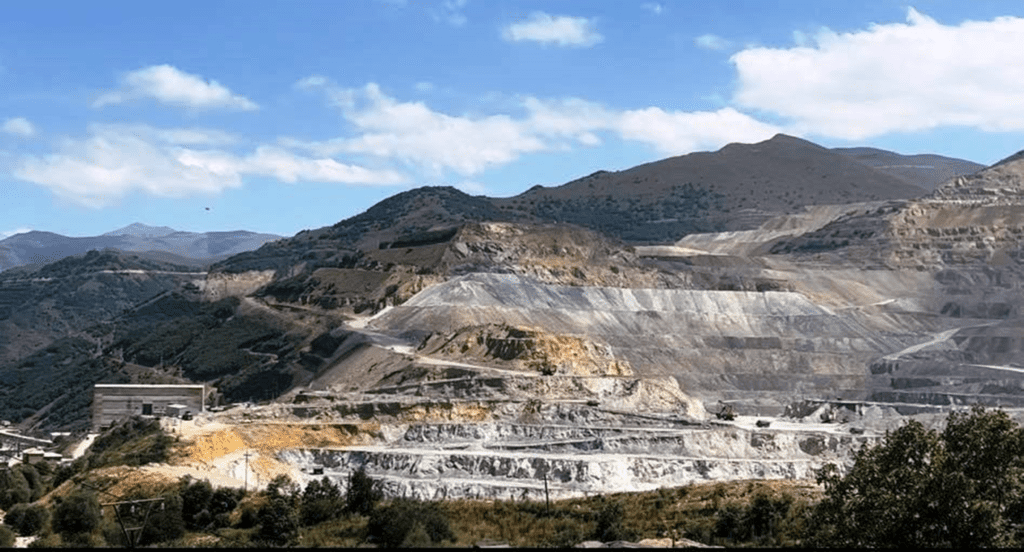
Today, according to official data, 465 mineral deposits are registered in Armenia’s state balance. More than 60 types of mineral resources have been identified, over 40 of which have industrial significance.
Among these, 24 are deposits of metallic minerals—such as copper, molybdenum, lead, zinc, iron, aluminum, gold, and silver—of which only five are currently being actively exploited.